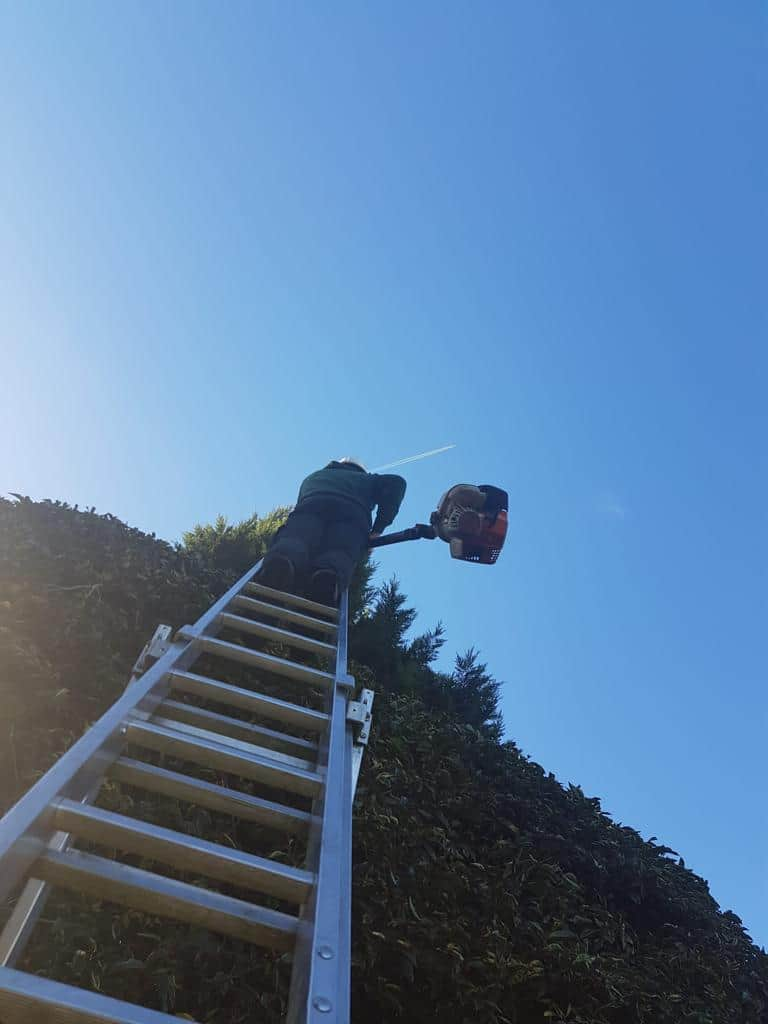
Trees bring natural beauty, shade and character to gardens and outdoor spaces. However, as they grow, branches can become overcrowded, damaged or poorly positioned, affecting the tree’s structure and overall condition. Regular tree pruning helps manage this growth, remove problematic branches and support the long-term health of suitable trees.
For property owners in Liphook, Hampshire, understanding when and why pruning is needed can make a significant difference to tree care. LM Tree Surgery Liphook provides professional tree surgery services tailored to the condition, species and growing requirements of individual trees.
Why Is Tree Pruning Important?
Tree pruning involves selectively removing branches to improve a tree’s structure, manage its size or address damaged and unhealthy growth. When carried out correctly, it can help maintain a balanced canopy and reduce the risk of certain problems developing over time.
Pruning is not simply about cutting back branches to make a tree look smaller. Every cut can affect how the tree responds and grows, so the work should be guided by the tree’s condition, natural shape and long-term needs.
For trees in Liphook, Hampshire, a suitable pruning programme can help manage growth around buildings and garden spaces while preserving the tree’s natural character.
1. Removing Dead, Damaged and Diseased Branches
One of the main benefits of pruning is the removal of branches that are dead, broken or affected by disease. These branches may weaken further over time and can sometimes fall, particularly during periods of strong wind.
Damaged or diseased growth can also provide entry points for decay organisms, depending on the circumstances and the condition of the tree. Removing affected branches where appropriate may help limit further problems and improve the overall condition of the canopy.
A professional tree surgeon can distinguish between branches that require removal and those that should be retained. This is important because removing healthy growth unnecessarily can place avoidable stress on a tree.
2. Encouraging a Stronger Tree Structure
As trees develop, some branches may grow at awkward angles, cross over one another or compete for space. If left unmanaged, this growth can contribute to an unbalanced canopy or create areas where branches rub against each other.
Selective pruning can help improve the arrangement of branches and maintain a more suitable structure. Removing carefully chosen branches may also reduce congestion and allow the remaining canopy to develop more evenly.
However, good pruning does not mean removing as much growth as possible. Excessive cutting can weaken a tree, stimulate poorly positioned regrowth and affect its natural form. LM Tree Surgery Liphook can recommend an appropriate approach based on the species, age and structure of the tree.
3. Improving Light and Airflow Through the Canopy
Dense foliage can create heavy shade in gardens and reduce the amount of natural light reaching nearby outdoor spaces. In some cases, a crowded canopy can also restrict airflow between branches and leaves.
Carefully selected pruning may help create a more open canopy while retaining enough foliage for healthy growth. This can improve the balance between the tree and its surroundings without unnecessarily compromising its appearance.
The right method depends on the tree and the result required. Crown thinning, for example, involves selectively removing suitable branches to reduce density without substantially changing the overall size or shape of the canopy. It should not be confused with indiscriminate cutting, which can leave the tree poorly balanced.
4. Managing Overgrown Branches Near Buildings and Paths
Trees naturally expand as they mature, and their branches may eventually extend towards roofs, walls, driveways, paths or other parts of a property. Regular pruning can help manage this growth and maintain suitable clearance where necessary.
Branches that touch buildings may rub against surfaces, while growth extending across access routes can create practical difficulties. In these situations, targeted pruning can help reduce interference while preserving as much healthy growth as possible.
The aim should be to manage the relationship between the tree and the surrounding space, rather than automatically reducing the entire canopy. A professional assessment can help determine which branches need attention and how best to carry out the work.
5. Supporting Healthy Growth Without Over-Pruning
Although pruning offers several benefits, cutting back a tree too heavily can have the opposite effect. Removing too much foliage reduces the tree’s ability to produce energy, while inappropriate cuts may leave wounds that are slow to close or increase susceptibility to decay.
Different species also respond differently to pruning, meaning that a technique suitable for one tree may not be appropriate for another. The tree’s age, current health and growing conditions should all be considered before work begins.
LM Tree Surgery Liphook can assess the tree and identify the branches that should be removed, helping to avoid unnecessary cutting and preserve its natural structure.
When Is the Best Time to Prune Trees?
The most suitable time for pruning depends on the tree species, the reason for the work and its current condition. Some trees benefit from pruning during dormancy, while others may be better managed at different stages of the growing season.
Dead, broken or potentially hazardous branches may require attention regardless of the season. Signs of disease or structural damage should also be assessed promptly rather than left untreated simply to wait for a preferred pruning period.
Before arranging tree surgery in Liphook, Hampshire, it is worth considering the specific requirements of your tree. Professional advice can help establish an appropriate time and method for the work.
Why Choose Professional Tree Pruning in Liphook?
Pruning requires more than cutting branches back to a convenient height. Poorly planned work can damage the tree’s structure, encourage weak regrowth and affect its long-term health.
A professional tree surgeon understands how to assess branch condition, identify suitable cuts and select a pruning method that meets the needs of the tree and its surroundings. This is particularly valuable when dealing with mature trees, large branches or growth close to buildings.
LM Tree Surgery Liphook provides professional tree care for property owners in Liphook, Hampshire, helping them manage tree growth and maintain healthy, well-maintained outdoor spaces.
Conclusion
Regular tree pruning can support healthy growth by removing damaged branches, improving structure, managing overcrowded canopies and maintaining suitable clearance around your property. The key is to prune carefully and according to the needs of each individual tree.
If your trees in Liphook, Hampshire, have become overgrown or show signs of damaged or unhealthy branches, LM Tree Surgery Liphook can help assess their condition and recommend suitable work. Contact the team to arrange a professional assessment and keep your trees healthy, balanced and well maintained.
Call us on: 01428 770 498
Click here to find out more about LM Tree Surgery Liphook
Click here to complete our contact form and see how we can help with your tree needs.