Choosing the Right Work for an Overgrown Tree
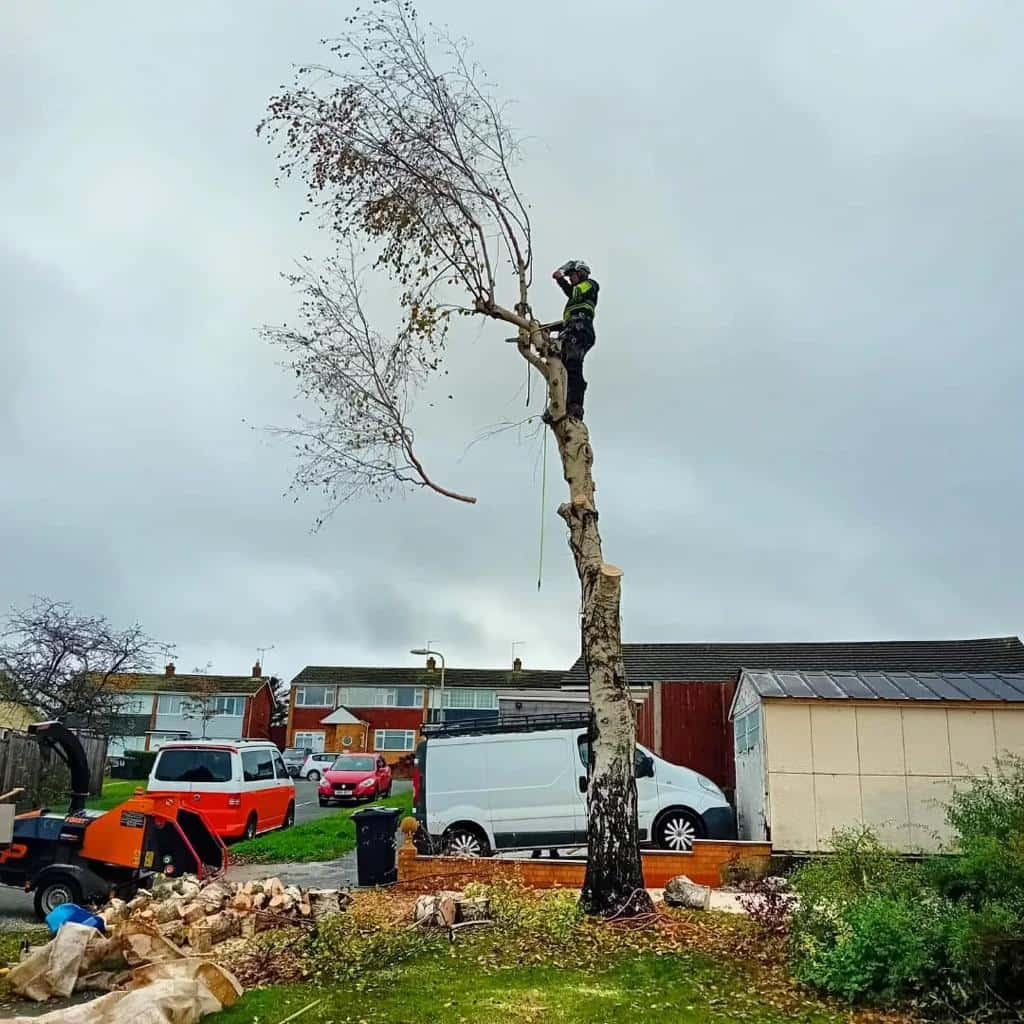
A tree can become difficult to manage when its canopy grows beyond the available space, lower branches restrict access or individual limbs extend towards buildings. Professional tree surgery can address these problems by selecting an appropriate pruning method rather than cutting back branches indiscriminately.
For property owners in Liphook, Hampshire, the aim should be to manage the tree’s size and structure while retaining healthy growth wherever possible. The right approach depends on its species, condition, age and surroundings.
Why Trees Become Overgrown
Trees continue to adapt to available light and space throughout their lives. In a garden, this natural growth can eventually conflict with how the surrounding area is used.
Common concerns include:
- Branches extending over roofs or garden structures
- Excessive shade across lawns and planting areas
- Lower limbs obstructing paths or driveways
- A canopy becoming too wide for its setting
- Growth reaching towards windows or guttering
- Heavy limbs developing on one side
- Dense branches restricting airflow and light
An overgrown appearance does not necessarily mean that the tree is unhealthy. It may simply require careful management to make it more suitable for its location.
Crown Reduction for Excessive Height or Spread
Crown reduction decreases the overall dimensions of a canopy by shortening selected branches to suitable growth points. It may be appropriate when a tree has become too tall, too wide or unevenly weighted.
A professionally planned reduction can:
- Increase clearance from nearby structures
- Shorten long, heavy limbs
- Improve the balance of the canopy
- Reduce excessive overhang
- Bring the tree into better proportion with its surroundings
- Retain a recognisable natural shape
The amount removed must be appropriate for the species and condition of the tree. Excessive cutting can create large wounds, weaken the tree and stimulate dense regrowth.
Crown Thinning for Dense Growth
Crown thinning involves removing selected smaller branches throughout the canopy without substantially changing its overall height or spread. This can be useful when internal growth has become congested.
Potential benefits include:
- Allowing more light through the canopy
- Improving airflow between branches
- Removing crossing or rubbing growth
- Reducing congestion
- Improving visibility through the crown
- Creating a more even branch distribution
Thinning is not a substitute for crown reduction. If the tree is simply too large for the available space, reducing its external dimensions may be more suitable.
Crown Lifting to Improve Clearance
Low branches can restrict movement through the garden, interfere with vehicles or make maintenance beneath the tree difficult. Crown lifting increases clearance by removing or shortening selected lower branches.
It may help where growth obstructs:
- Garden paths
- Driveways
- Entrances
- Lawns and planting areas
- Views through the garden
- Access to sheds or other structures
Removing too many lower branches can affect the tree’s balance and leave large wounds on the trunk. The work should therefore be proportionate and carefully planned.
Selective Pruning Around Buildings
Branches growing close to a house, roof or garden structure may require targeted pruning. The objective is to create suitable clearance without unnecessarily reducing the entire canopy.
Selective pruning can address:
- Branches touching roof tiles
- Growth resting against walls
- Limbs obstructing gutters
- Branches reaching towards windows
- Repeated contact during windy conditions
- Growth affecting access around the property
Simply cutting a branch at the boundary of the obstruction may leave an unsuitable stub or create unbalanced regrowth. Correct pruning positions support a better response from the tree.
Removing Dead and Damaged Branches
Overgrown trees can conceal deadwood, split limbs and branches damaged by weather. Removing these defects can improve the condition of the crown while making the remaining structure easier to assess.
Professional deadwood removal may be appropriate when branches are:
- Dead or brittle
- Partially detached
- Hanging within the canopy
- Cracked at a main union
- Rubbing against neighbouring limbs
- Damaged by strong winds
Not every dead twig needs urgent attention, but large defective branches above frequently used areas should be assessed promptly.
Correcting Uneven or Poorly Formed Growth
A tree may become unbalanced because it is growing towards light, around an obstacle or in response to earlier pruning. One side of the crown can then carry more weight than the other.
Tree reshaping or targeted crown reduction may help manage:
- Long lateral branches
- A one-sided canopy
- Dense clusters of regrowth
- Branches competing within the same space
- An uneven outline following branch loss
- Weak shoots developing around old cuts
Corrective work may need to be completed gradually. Attempting to transform the entire tree during one visit can remove too much foliage and place it under unnecessary stress.
Why Indiscriminate Cutting Can Create More Problems
Severe or poorly positioned cuts can damage the tree rather than manage it. Removing large amounts of the crown may stimulate rapid shoots that are weakly attached and require further attention.
Unsuitable pruning can lead to:
- Dense and vigorous regrowth
- Large wounds that are slow to close
- An unnatural shape
- Sun exposure on previously shaded bark
- Poor weight distribution
- Increased maintenance requirements
- Greater vulnerability around old cuts
Professional tree surgery considers how the tree is likely to respond, not merely how much growth can be removed.
Can Every Overgrown Tree Be Reduced?
Crown reduction is not suitable for every tree or every situation. The available pruning points, structural condition and likely response of the species must all be considered.
A different approach may be necessary if the tree has:
- Extensive trunk or root decay
- Major structural splits
- Severe decline throughout the crown
- Significant root movement
- Limited healthy growth to retain
- A history of repeated branch failure
An assessment can determine whether pruning, ongoing monitoring or more extensive work is appropriate.
When Should Professional Advice Be Sought?
Consider arranging an assessment when:
- The canopy has become too large for the garden
- Branches are growing close to buildings
- Access beneath the tree is restricted
- The crown is heavily unbalanced
- Dead or damaged limbs are visible
- Earlier pruning has produced weak regrowth
- You are unsure which pruning method is suitable
A tree surgeon can examine the whole tree and recommend work based on its actual condition.
Conclusion
Tree surgery helps manage overgrown trees through carefully selected methods such as crown reduction, thinning, lifting, reshaping and deadwood removal. These techniques can improve clearance, balance and manageability without removing more healthy growth than necessary.
If a tree on your property has become difficult to manage, LM Tree Surgery Liphook can assess its size, structure and condition before recommending a suitable approach. Professional planning can help the tree remain an attractive and practical part of the garden.
Call us on: 01428 770 498
Click here to find out more about LM Tree Surgery Liphook
Click here to complete our contact form and see how we can help with your tree needs.